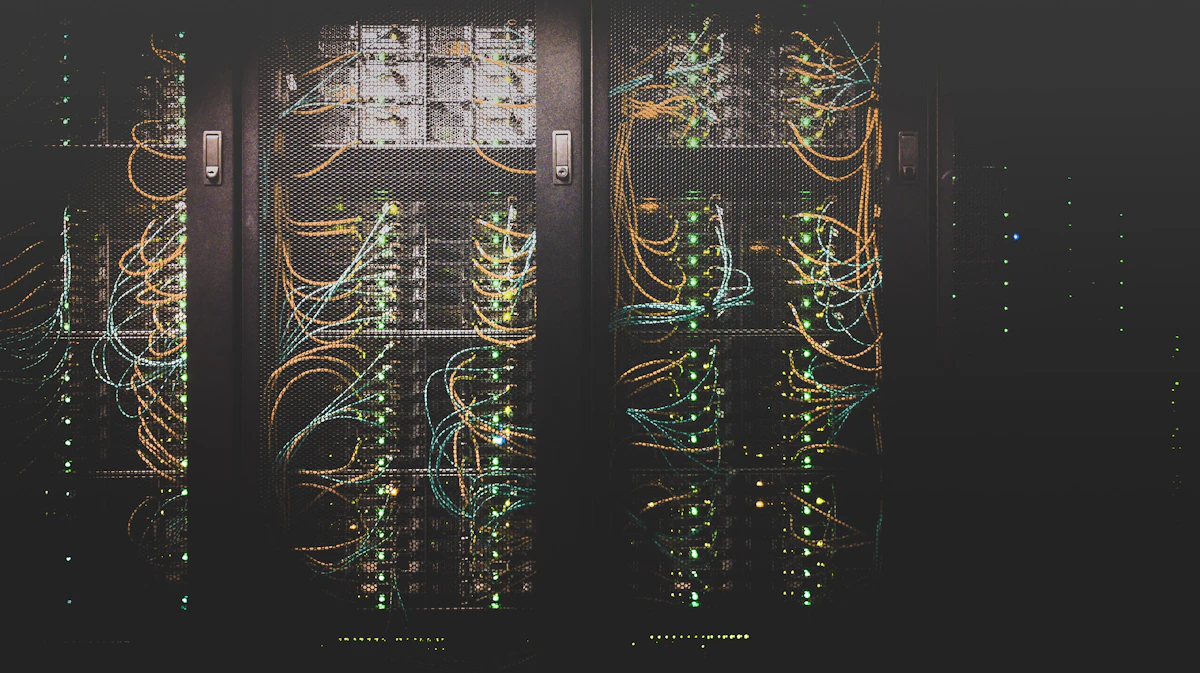
N+1 redundancy is a simple engineering principle: for every critical system that's working (N), there's at least one backup unit ready to take over (+1) without anyone in the audience noticing the difference.
It's not having "a backup plan in the drawer." It's the backup plan already running in parallel before anything goes wrong.
What does this look like in a real broadcast?
Imagine a conference at the Puerto Vallarta Convention Center. 500 people in the room. 2,000 remote viewers. The keynote speaker takes the stage.
Scenario without redundancy:
The stream depends on a single connection: the hotel WiFi. At 10:47 am, 300 attendees connect their devices at the same time. The network collapses. The operator takes four minutes to realize, reboot the equipment, and reconnect. By then, 40% of the remote audience has dropped off. The speaker kept talking. The remote viewers missed half the presentation.
Scenario with N+1 redundancy:
The stream uses two independent internet routes running simultaneously: one via the venue's fiber and another via cellular bonding with multiple carriers. If the hotel fiber loses stability, the industrial router detects degradation in milliseconds and transfers traffic to the secondary route before the encoder loses a single frame.
The remote audience notices nothing. The speaker is unaware. The stream continues like nothing happened.
Where else does N+1 apply in event production?
Redundancy isn't limited to internet. In a complete broadcast production, it applies across multiple layers:
- Connectivity: cellular carrier bonding + automatic failover. If one cell tower loses signal, the others maintain the flow.
- Power: backup batteries that sustain the technical rack if the venue has a power dip. Your stream doesn't depend on the hotel's electrical stability.
- Video signal: low-latency wireless transmitters that eliminate cables in large spaces, with integrated backup.
- Streaming server: a private server that avoids depending on external platforms that might terminate your stream due to time policies or overload.
Why does Puerto Vallarta need this level of protection?
Puerto Vallarta hosts high-profile events: medical conferences, corporate incentive trips, destination weddings with international guests, gastronomic festivals, and sporting events.
In these scenarios, a dropped stream isn't a "technical inconvenience." It's irreplaceable content lost. It's a bad experience for viewers who paid or traveled. It's reputational damage for the organizer.
A resort's WiFi in Nuevo Vallarta might work perfectly at 8:00 am. At 11:00 am, with all guests connected, it's a different story. N+1 redundancy doesn't prevent venue WiFi from failing. It prevents that failure from affecting your stream.
How to know if a provider actually implements N+1
Not every provider who says "we have backup" operates under this principle. To validate, ask:
- Is the backup system active throughout the entire stream, or only turned on when the primary fails?
- How long does failover actually take? If the answer is "a few seconds," it's not N+1. It should be under 200 milliseconds.
- Does the backup cover just internet, or also power, audio, and video?
- Can you demonstrate failover in a technical test before the event?
A provider operating under N+1 should be able to simulate a network drop during a test and show that the stream doesn't interrupt.
If you're evaluating providers for a critical event in Puerto Vallarta or Riviera Nayarit, you can request a technical demonstration of our Zero-Blackout Protocol™ at no cost.
REQUEST A DEMO